Your Struggle With Depression Stops Here!
- Proven Depression Relief that lasts
- Safe, effective and non invasive
- No side effects of medication
- Most insurance providers now offer coverage
Covered By Nearly All Major Insurances
Over 300 million lives are now insured for TMS treatment.



What is NeuroStar Advanced Therapy (TMS)?
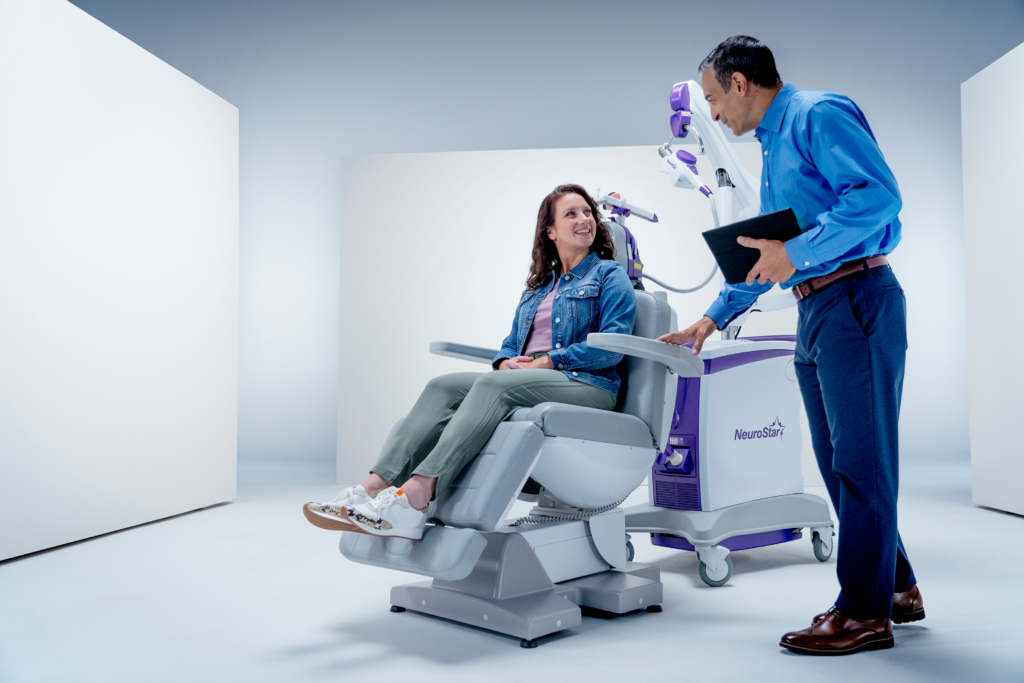
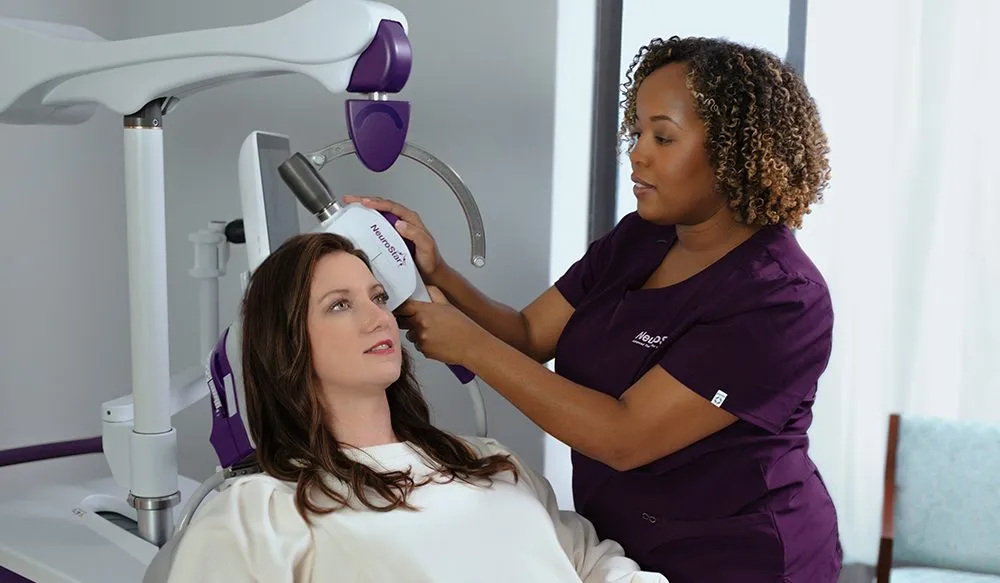
During a NeuroStar treatment session, a magnet with a strength comparable to that in an MRI machine is employed to stimulate nerve cells in the brain regions associated with mood regulation. These magnetic pulses can positively influence neurotransmitter levels, potentially leading to long-term remission.
- Sessions are conducted in the comfort of your NeuroStar provider’s office.
- You can resume your regular activities immediately after the session.
- You remain awake throughout the treatment.
- There are no adverse effects on memory or sleep patterns.
- Most health insurance plans provide coverage for this therapy.
How does Neurostar TMS treatment work?
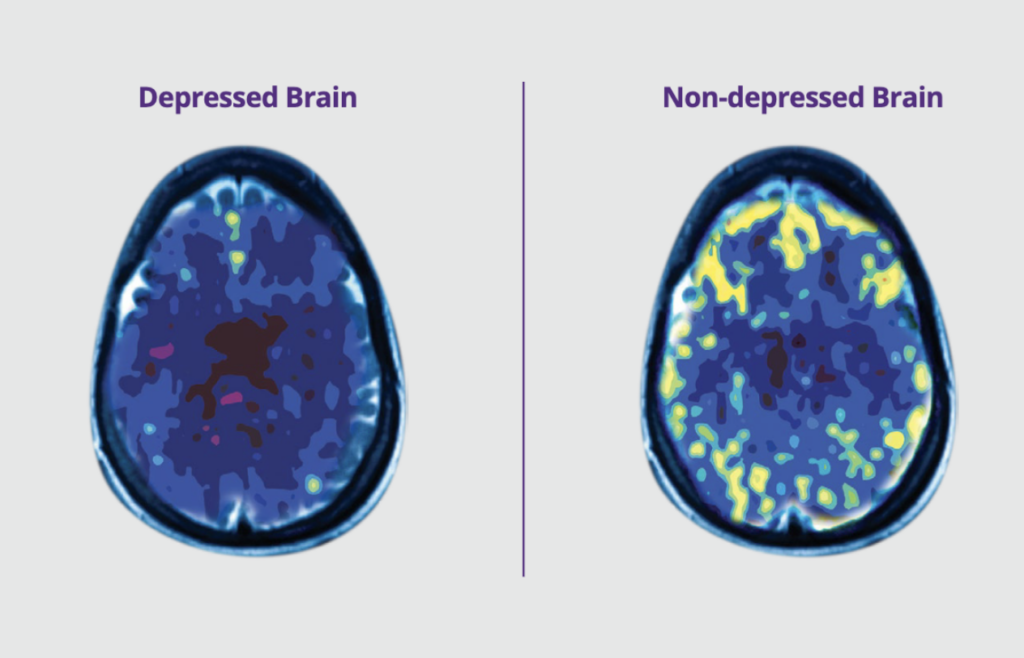
Individuals experiencing depression are shown to have reduced electrical activity in certain areas of the brain. Neurostar TMS works by delivering highly targeted, localized electromagnetic pulses to those areas, including the prefrontal cortex, which is the area of your brain that regulates mood.
These electromagnetic pulses stimulate the affected neurons, which in turn releases neurotransmitters and hormones such as serotonin and dopamine. These neurotransmitters work to relieve symptoms of depression.
Once these neurons are stimulated by Neurostar TMS, they continue to release these neurotransmitters for a longer period of time compared to other treatments like antidepressants.
Your path to treatment
Beyond symptom reduction, TMS is associated with improved quality of life and better overall functioning. Patients often report a renewed sense of motivation and a significant decrease in the emotional weight that previously hindered their work performance and personal relationships.
Get started
Contact CTC of Utah or get referred to schedule a consultation.
Match with a provider
Be matched with a highly trained provider to help with your specific needs.
Determine treatment
Your provider will work with you to develop a personalized treatment plan.
Begin treatment
Start treatments on your terms with our flexible scheduling.
Feel better
We’ll continue to work closely with you to help you feel like your best self.
Neurostar TMS Stories
Hear from our clients
Stories of transformation
Corin Marsh
Holly Jones
Emily Belshe
Frequently
Asked Questions
Questions we often asked
Q1: What is Transcranial Magnetic Stimulation?
Transcranial magnetic stimulation, often referred to as TMS, is a noninvasive procedure that uses magnetic fields to stimulate nerve cells in the brain to improve symptoms of depression. TMS is typically used when antidepressant medications haven’t been effective, have ceased working, or as an alternative to medication.
Q2: How does TMS work?
TMS involves delivering magnetic pulses to specific parts of the brain.
Q3: How long is TMS treatment?
Treatments generally last 18–20 minutes and are delivered 5 days a week for 7 weeks.
Q4: Is TMS Therapy covered by my insurance?
A vast majority of commercial plans have recognized the effectiveness of treating depression with TMS Therapy and now cover TMS as part of their plans.
Q5: Is TMS Therapy a good alternative for patients who cannot tolerate the side effects of antidepressant medications?
TMS does not circulate in the blood throughout the body, so it does not have side effects like weight gain, sexual dysfunction, nausea, dry mouth, sedation, etc. The most common side effects reported during clinical trials were headache and scalp discomfort—generally mild to moderate—occurring less frequently after the first week of treatment.
Q6: Is TMS Therapy like other alternative therapies that use magnets to treat some illnesses?
No. TMS Therapy involves a unique method of using pulsed magnetic fields for a therapeutic benefit. The intensity of the magnetic field is similar to that of an MRI. These techniques differ radically from the popular use of low intensity, static magnetic fields. Those products deliver weak and undirected static fields that are not capable of activating brain cells. The activation and stimulation of brain cells is a key part of why TMS is so effective.