What Is Neurofeedback Therapy?
Neurofeedback therapy is a noninvasive procedure that measures a patient’s brainwaves and provides the patient with real-time feedback about how the brain is functioning. It’s a type of biofeedback, which is a mind-body technique that aims to help patients gain voluntary control over certain body functions that are typically involuntary (such as heart rate, muscle contraction or brainwaves). Biofeedback uses electronic instruments to convey to the patient certain physiological processes happening in their body that they are typically not aware of.
Neurofeedback therapy, in particular, is used to help teach self-control of brain functions by indicating to patients how their brains react to certain triggers. Over time, patients learn to recognize when their brain is in a certain state. Then, they can learn to recreate the desired state, such as relaxation, or avoid undesired states, such as agitation, in their daily lives.
How Does Neurofeedback Therapy Work?
Understanding the therapy
Neurofeedback therapy attempts to help the patient control their brainwaves consciously. It does this by measuring specific brainwaves, depending on the issue being treated. For example, alpha waves are associated with peacefulness, readiness, meditation and being deeply-relaxed, while beta waves are characterized by focus, sustained attention, tension, alertness and excitement. Therefore, alpha waves are typically targeted to treat conditions like stress and anxiety, while the beta waves are targeted to improve characteristics like attention and focus, which are associated with ADHD.
Neurofeedback therapy monitors your brain for brainwave activity and almost immediately provides feedback, often through visual or audio cues. For example, the therapy administrator might have you watch something on a screen while measuring your beta waves. When you manifest beta waves, the screen brightens in response; if you inhibit the beta waves, the screen dims. The goal is to provide you with enough reinforcement that you try to repeat your behavior in order to get the reward (i.e a brighter screen) again.
Benefits of Neurofeedback Therapy
The biggest benefit of neurofeedback therapy is that it can display the inner workings of the brain. This can display reactions to things that you weren’t consciously aware of, which can help you identify unhelpful behaviors and work to change them.
Another benefit of neurofeedback therapy is that it shows your brain’s reactions in real-time. This allows you to understand your reactions better and to see them from an unbiased source. This is particularly good for those that struggle with anger management as they can often be sensitive to outside input.
What Neurofeedback Therapy Can Help With
There are several ways that neurofeedback therapy can be helpful.
For example, if you’re looking for help with a specific condition, you definitely need to research to make sure that the doctor that you’re interested in visiting specializes in neurofeedback therapy for that condition.
This therapy is also constantly being researched, however, these are the main conditions for which people tend to seek out neurofeedback therapy:
- ADHD
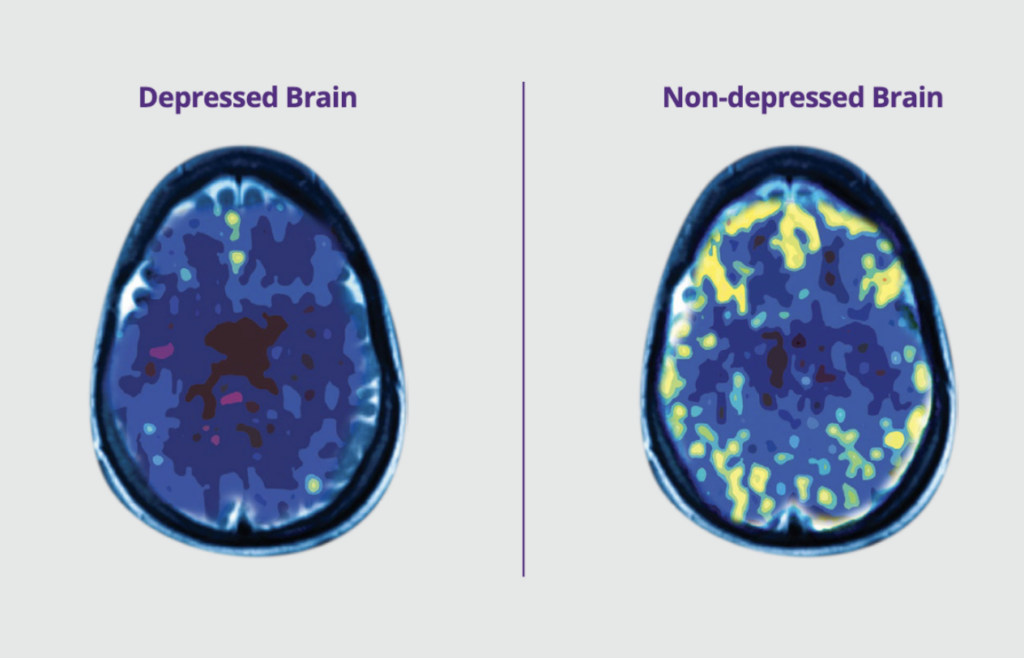
- Depression
- Anxiety
- Insomnia
- Migraines
- Addiction
- Obsessive-compulsive disorder
- Low Energy
- Anger Control
- Post-traumatic stress disorder (PTSD)
Hear from our clients
Stories of transformation
Corin Marsh
Holly Jones
Emily Belshe
Frequently
Asked Questions
Questions we often asked
Q1: What is Neurofeedback and how does it work?
Neurofeedback is a non-invasive form of biofeedback that trains the brain to function more efficiently. By monitoring brainwave activity in real-time, the therapy provides immediate feedback to help your brain learn to self-regulate. This process helps strengthen healthy brain patterns, leading to improved focus, emotional stability, and better sleep.
Q2: What happens during a typical session?
During a session, small sensors are placed on your scalp to monitor brainwave activity. You will then engage in a simple task, such as watching a video or playing a game, which responds to your brain’s performance. When your brain reaches a calm and focused state, the video or game continues; if your brain drifts, the feedback changes, teaching your brain to return to an optimal state.
Q3: Is Neurofeedback safe and are there side effects?
Yes, neurofeedback is a safe and natural process. Unlike medication, it does not put anything into the body or brain; it simply monitors and rewards healthy brain activity. Some individuals may experience mild tiredness after a session, similar to the feeling after a long workout or an intense study session, but this typically fades quickly.
Q4: How many sessions are usually required?
Because neurofeedback involves learning a new skill, consistency is key. While some people notice improvements within a few sessions, most individuals require a series of 20 to 40 sessions to achieve long-lasting changes. Your provider at Counseling & Treatment Center of Utah will work with you to create a personalized plan based on your specific goals.
Q5: Are the results of Neurofeedback permanent?
Neurofeedback is often compared to learning how to ride a bike. Once the brain learns how to regulate itself and maintain healthier patterns, it tends to retain that knowledge. For many individuals, the improvements in focus, mood, and sleep remain stable long after the completion of the initial treatment course.